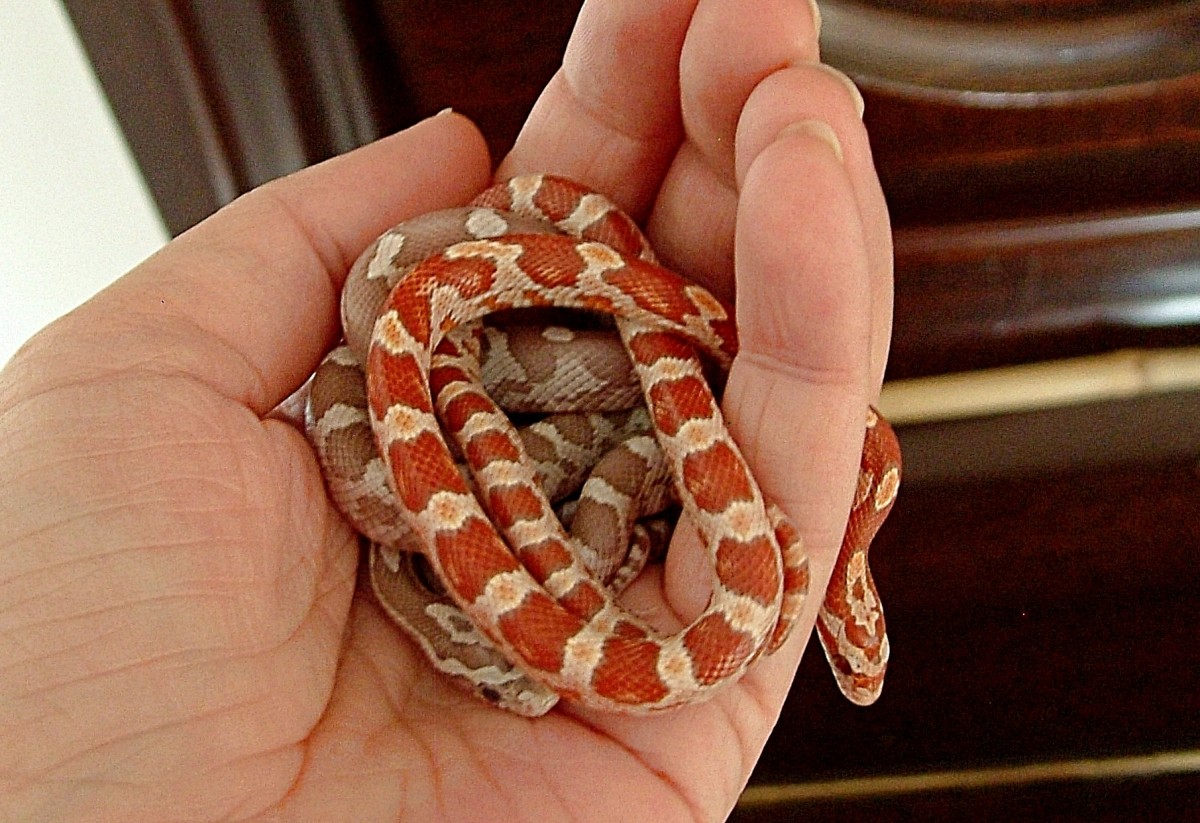
readingcharlesdickens.com – Snakes, belonging to the suborder Serpentes, are legless reptiles found on every continent except Antarctica. While some species, like pythons and anacondas, reach impressive sizes, a vast majority are relatively small, often overlooked yet playing crucial roles in their respective ecosystems. These smaller snakes, typically under three feet in length, occupy diverse niches and display a fascinating array of adaptations.
Physical Characteristics: Adaptations for a Varied Lifestyle
Small snakes, despite their size, share the fundamental characteristics of all snakes, but with adaptations tailored to their specific lifestyles:
- Elongated, Limbless Bodies: This fundamental snake characteristic allows them to navigate tight spaces, burrows, and dense vegetation.
- Scales: Overlapping scales provide protection and aid in locomotion. The texture and arrangement of scales can vary depending on the species and its habitat.
- Forked Tongue: This sensory organ collects airborne particles, which are then analyzed by the Jacobson’s organ for scent and chemical cues.
- Flexible Jaws: Highly flexible jaws allow them to swallow prey much larger than their head.
- Reduced or Absent Limbs: While some primitive snakes retain vestigial pelvic structures, true snakes lack external limbs.
Specific adaptations of smaller snakes include:
- Smaller Prey Preferences: Their size dictates the size of their prey, which typically includes insects, worms, slugs, spiders, centipedes, small amphibians, and occasionally small rodents or lizards.
- Specialized Burrowing or Arboreal Adaptations: Some species have adaptations for burrowing, such as smooth scales and a pointed snout, while others have prehensile tails or keeled scales for climbing.
Classification and Diversity: A Wide Range of Families
Many snake families contain smaller species, including:
- Colubridae: A large and diverse family containing many non-venomous and mildly venomous species.
- Natricidae: Primarily aquatic or semi-aquatic snakes, often found near bodies of water.
- Leptotyphlopidae (Thread Snakes): Tiny, burrowing snakes that resemble earthworms.
- Typhlopidae (Blind Snakes): Similar to thread snakes, these are also small, burrowing snakes with reduced eyes.
- Dipsadidae: A diverse family found in the Americas, including many arboreal and snail-eating species.
Habitats and Distribution: Adapting to Diverse Niches
Small snakes occupy a wide range of habitats:
- Forests and Woodlands: Leaf litter, under logs, and tree hollows provide ideal habitat.
- Grasslands and Meadows: They often live in burrows or under rocks.
- Deserts and Arid Regions: Some species are adapted to harsh desert environments, seeking refuge underground.
- Wetlands and Riparian Areas: Many smaller snakes are semi-aquatic, thriving in these environments.
- Subterranean Habitats: Thread snakes and blind snakes are entirely subterranean, living in soil and leaf litter.
Diet and Foraging: Specialized Hunting Strategies
The diet of small snakes varies depending on the species and its habitat:
- Insectivores: Many small snakes primarily feed on insects and other arthropods.
- Worm and Slug Eaters: Some species specialize in consuming earthworms and slugs.
- Herpetophages: Some smaller snakes prey on small amphibians and reptiles.
- Small Mammal Predators: Occasionally, they may take very young rodents or shrews.
They employ various hunting strategies:
- Ambush Predators: Some species lie in wait for prey to pass by.
- Active Foragers: Others actively search for prey in leaf litter or underground.
Behavior: Secretive and Often Nocturnal
Many small snakes are secretive and difficult to observe, spending much of their time hidden.
- Nocturnal or Crepuscular Activity: Many species are most active at night or during twilight hours.
- Burrowing Behavior: Many species are skilled burrowers, using this behavior for shelter and foraging.
Defense Mechanisms: Camouflage and Evasion
Small snakes rely on several defense mechanisms to avoid predation:
- Camouflage: Their coloration and patterns often provide excellent camouflage.
- Rapid Escape: Their small size and agility allow them to quickly escape predators.
- Musk Secretion: Some species secrete a foul-smelling musk when threatened.
- Mimicry: Some harmless species mimic the coloration or behavior of venomous snakes.
Ecological Importance: A Vital Role in Ecosystems
Small snakes play important roles in ecosystems:
- Pest Control: They help control populations of insects and other invertebrates that can be pests.
- Prey for Larger Animals: They serve as a food source for larger predators such as birds, mammals, and larger snakes.
Conservation Status: Threats and Challenges
Like many other animals, small snakes face threats such as:
- Habitat Loss and Degradation: Deforestation, urbanization, and agriculture destroy their habitats.
- Pesticide Use: Pesticides can directly harm snakes and reduce their prey populations.
- Persecution: Some people mistakenly fear all snakes, leading to unnecessary killing.
Conclusion: Unsung Heroes of the Reptile World
Small snakes, though often unseen, are a vital component of many ecosystems. Their diverse adaptations, specialized diets, and secretive behaviors make them fascinating subjects of study. Protecting their habitats and dispelling misconceptions about snakes are crucial for their conservation and the health of our planet’s biodiversity.
