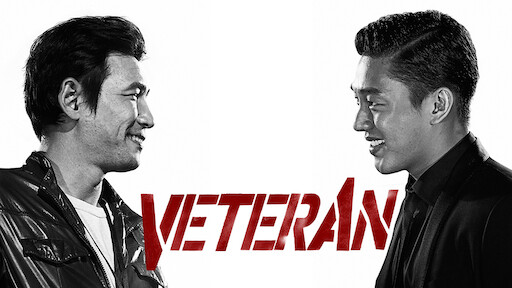
readingcharlesdickens.com – Ryoo Seung-wan’s 2015 South Korean action crime film, Veteran (Beterang), delivers a high-octane and entertaining clash between a tenacious detective and a ruthless, chaebol heir. With its exhilarating action sequences, sharp social commentary, and charismatic performances, Veteran became a massive box office hit in South Korea. This article delves into the film’s narrative, characters, themes, and its impact on Korean action cinema.
A Fight Against Corruption: Plot Summary
The film centers on Seo Do-cheol, a seasoned and righteous detective known for his relentless pursuit of justice. He and his team stumble upon a case involving a truck driver who is brutally assaulted after protesting unpaid wages by Jo Tae-oh, the arrogant and sociopathic heir to a powerful conglomerate.
As Do-cheol investigates further, he uncovers a web of corruption and abuse of power that extends to the highest levels of society. Jo Tae-oh, protected by his wealth and influence, uses his connections to evade justice and silence his victims. Do-cheol, however, refuses to back down, embarking on a relentless and increasingly personal battle to bring Tae-oh to justice. The film unfolds as a series of escalating confrontations, culminating in a thrilling and satisfying showdown between the determined detective and the untouchable chaebol heir.
A Battle of Contrasts: Character Analysis
Veteran features a compelling cast of characters, each representing different sides of the social spectrum:
- Seo Do-cheol: Played with charismatic energy by Hwang Jung-min, Seo Do-cheol is the film’s heart and soul. His unwavering dedication to justice, combined with his street smarts and quick wit, makes him a highly engaging protagonist.
- Jo Tae-oh: Portrayed with chilling detachment by Yoo Ah-in, Jo Tae-oh is the film’s primary antagonist. His arrogance, entitlement, and complete disregard for human life make him a truly reprehensible villain. The contrast between Do-cheol’s righteous anger and Tae-oh’s cold indifference fuels the film’s central conflict.
Themes of Class Conflict, Corruption, and the Pursuit of Justice
Veteran explores several relevant social themes:
- Class Conflict: The film highlights the vast disparity between the wealthy elite and the working class in South Korean society. Jo Tae-oh’s unchecked power and his exploitation of the less fortunate underscore this social divide.
- Corruption: The film exposes the pervasive corruption that can exist within powerful institutions and the lengths to which wealthy individuals will go to protect their interests. The police, politicians, and media are all implicated in the web of corruption that Do-cheol must navigate.
- The Pursuit of Justice: At its core, Veteran is a film about the pursuit of justice in the face of overwhelming odds. Do-cheol’s unwavering determination to bring Tae-oh to justice, even when faced with powerful opposition, is the driving force of the narrative.
A Box Office Smash with a Message: Impact and Legacy
Veteran became one of the highest-grossing films in South Korean history, resonating with audiences due to its thrilling action sequences, its sharp social commentary, and its satisfying portrayal of justice prevailing over corruption.
The film’s success solidified Ryoo Seung-wan’s reputation as a master of action cinema and further cemented Hwang Jung-min’s status as a leading man. Its impact can be seen in subsequent Korean crime films that explore similar themes of social inequality and corruption.
Conclusion
Veteran is a highly entertaining and socially relevant action film that delivers on its promise of thrilling action and satisfying catharsis. The clash between the righteous detective and the corrupt chaebol heir provides a compelling narrative that resonates with audiences. The film’s success is a testament to its effective blend of action, humor, and social commentary, making it a modern classic of Korean action cinema.
